

What this service addresses
Warehouse risk assessment and industrial risk reduction should reflect the interaction of people, equipment, layout, storage, production pressure, supervision, and routine workarounds. Ramsay Resilience Group observes active operations, identifies practical safety and disruption risks, and prioritizes corrective actions that support both safer work and reliable operations.
Why this matters
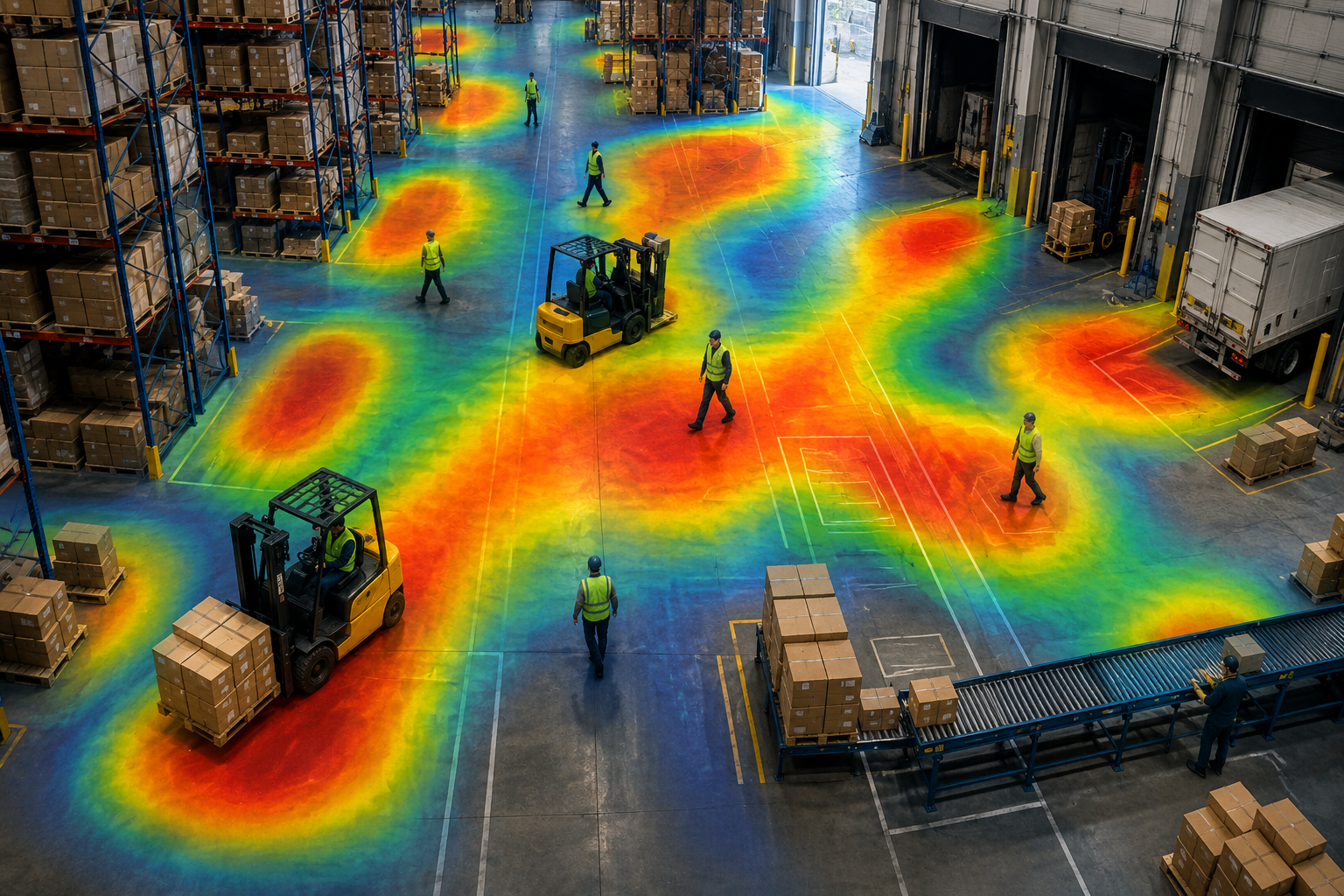
Forklift and pedestrian conflicts, blind intersections, loading docks, rack conditions, battery charging, lockout/tagout, hazardous materials, housekeeping, hot work, shift handoffs, and emergency access can create compounding exposure when they are evaluated separately or only after an incident.
Who this service is for
When to consider this service
- Pedestrian and powered-equipment traffic share uncontrolled space
- Housekeeping, staging, or temporary storage routinely restricts access
- Near misses are discussed informally but not analyzed for patterns
- Supervisors and employees interpret critical procedures differently
Deliverables within the agreed scope
Floor-level observation and operational risk map
Traffic-flow, blind-spot, dock, and material-handling review
Storage, housekeeping, equipment, and emergency-access findings
Behavioral and procedural gap analysis
Prioritized corrective-action plan with implementation sequence
What the work is intended to support
- Reduced exposure to preventable incidents and disruption
- Improved traffic, storage, and workflow clarity
- Stronger reporting, supervision, and safety ownership
- Corrective actions that support safety without ignoring production requirements
What to expect
- 01Plan the assessment around the facility, shifts, and highest-consequence work
- 02Observe operations, traffic, staging, equipment, and employee interaction
- 03Analyze recurring patterns, controls, and routine workarounds
- 04Review findings with leadership and sequence practical corrective actions
Frequently asked questions
Will the assessment interrupt operations?
The approach is designed around active operations. Observation, interviews, and walkthroughs are planned to obtain an accurate picture while minimizing unnecessary disruption.
Can the review focus on a specific issue?
Yes. The scope can concentrate on forklift and pedestrian traffic, loading docks, storage, emergency readiness, equipment, contractor activity, housekeeping, or a recurring incident pattern.