
Industries we serve

Different operations.
Connected risks.

Continuity depends on how people, facilities, equipment, technology, and suppliers work together. We start with the realities of your operation.

High-bay distribution warehouse with marked pedestrian routes
01 / Warehousing & distribution

Protect the flow of your facility.

Inventory, equipment, staffing, and layout decisions affect both safety and continuity. A bottleneck, facility outage, or loss of key personnel can spread well beyond one aisle or shift.

  • Pedestrian and powered-industrial-truck interactions
  • Workflow, layout, housekeeping, and emergency access
  • Critical inventory, staffing, equipment, and recovery dependencies

Walkthroughs and operational observations help turn these exposures into prioritized findings, practical corrective actions, and clear ownership.

Warehouse & industrial risk reduction ↗


Guarded machinery on a modern industrial production floor
02 / Manufacturing & light industrial

Prepare for the dependencies behind production.

Production continuity relies on people, equipment, materials, utilities, and supporting systems. Plans need to account for the consequences when one of those dependencies becomes unavailable.

  • Critical functions and process dependencies
  • Operational and safety vulnerabilities
  • Response roles, recovery priorities, and workable continuity procedures

Risk assessment and continuity planning help leadership identify what must continue, where disruption would have the greatest impact, and which improvements to address first.

Risk assessments & vulnerability mapping ↗
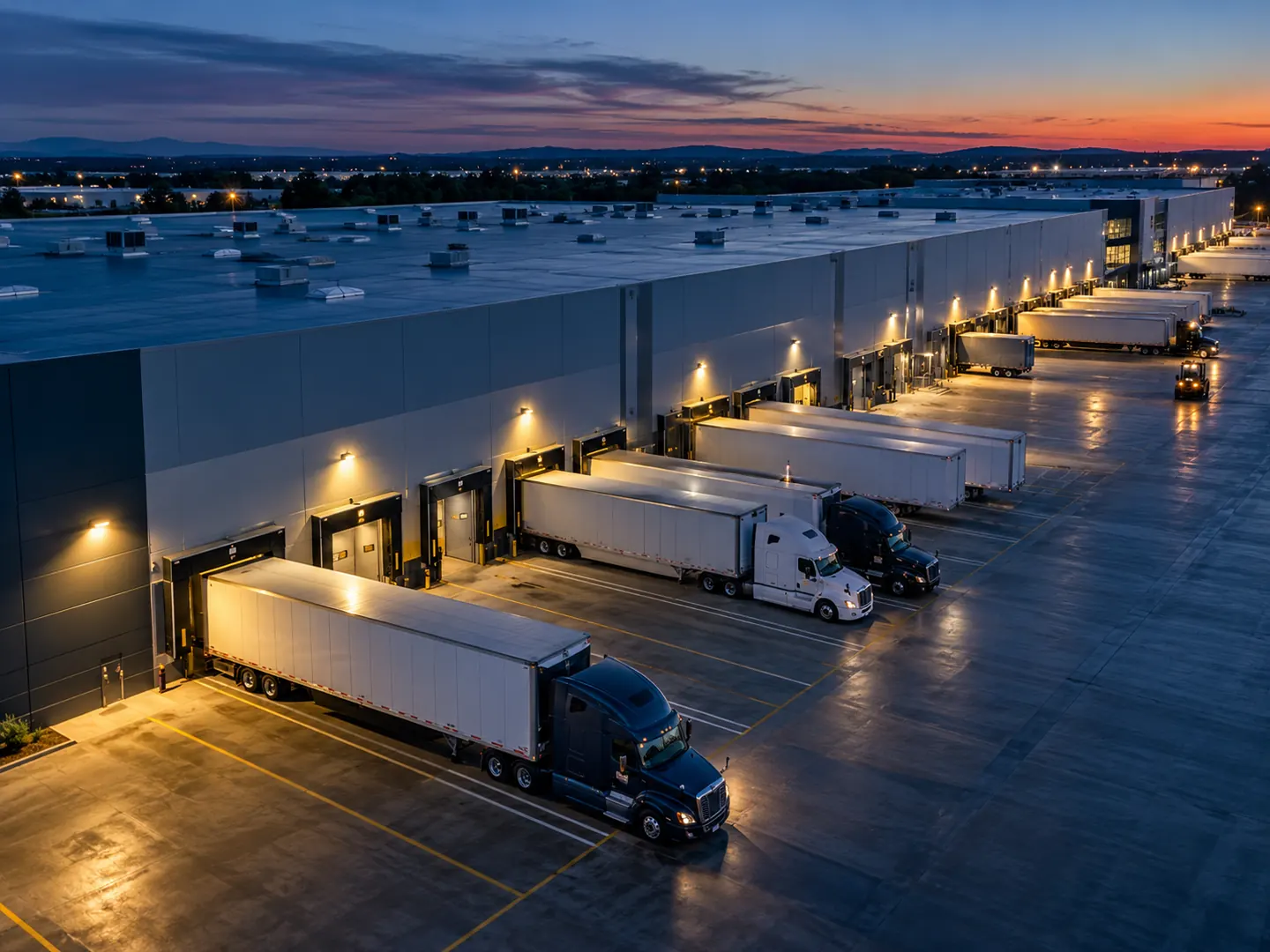
Freight trucks at distribution loading docks in the evening
03 / Logistics & supply chain

Keep dependencies from becoming blind spots.

Supplier interruptions, system outages, facility problems, and staffing gaps can affect delivery commitments across an operation. Effective continuity planning connects internal responsibilities with external dependencies.

  • Supplier, vendor, and critical-service dependencies
  • Communication and escalation during disruption
  • Alternate operating procedures and recovery priorities

Planning and tabletop exercises give teams a way to examine decision points, clarify roles, and identify gaps before a disruption tests them.

Business continuity planning ↗
One connected approach

Safety, continuity, and operational risk belong in the same conversation.

Ramsay Resilience Group helps leaders evaluate risk and prioritize improvements that fit the way their organization operates.

OSHA-aware gap assessments support practical safety improvements. They do not constitute regulatory certification or a guarantee of compliance.

Explore consulting services ↗
Discuss your environment

Start with your most important operating challenge.

Request a consultation ↗