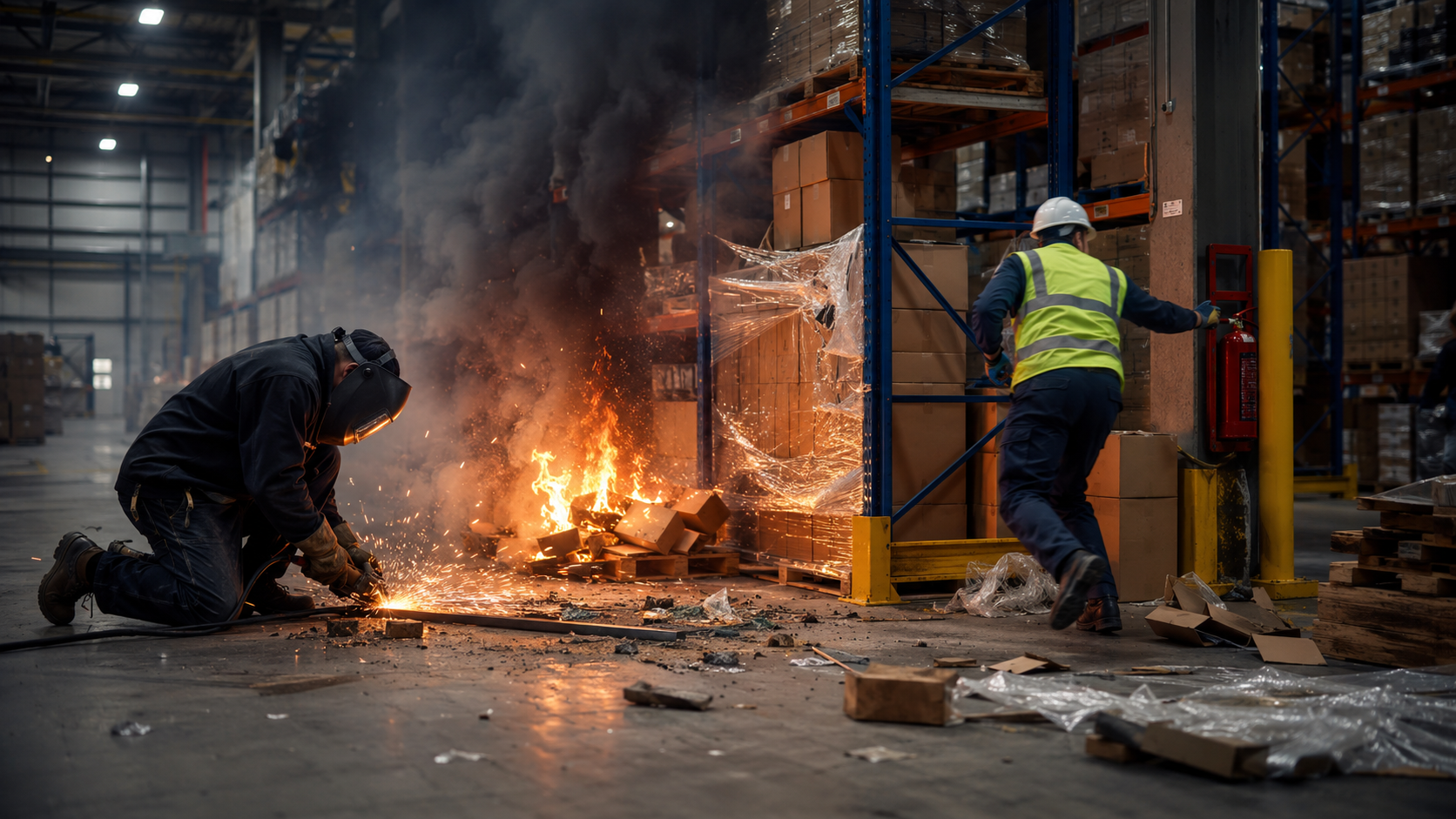
A tabletop exercise should do more than walk through a scenario. It should create decisions, surface assumptions, reveal where information is missing, and produce specific improvement work. Ramsay Resilience Group designs and facilitates exercises around the plans, people, dependencies, and disruption scenarios that matter to the client.
What a useful tabletop tests
Exercise objectives should be defined before the scenario. The goal may be to test activation, escalation, communications, executive decisions, degraded operations, supplier contingencies, technology recovery, or reconstitution.
Scenario design
The scenario is tailored to the operating environment. Injects are used to change conditions, introduce uncertainty, and force the team to make decisions rather than simply recite the plan.
Who should participate
The right participants are the people who would actually own decisions during the event. That may include operations, facilities, technology, communications, HR, procurement, safety, executives, or external partners depending on the objective.
What happens during facilitation
The facilitator keeps discussion tied to objectives, captures decision points and assumptions, challenges unclear handoffs, and prevents the exercise from becoming a general brainstorming session.
After-action and improvement planning
Findings should distinguish strengths from areas for improvement, identify contributing conditions, assign corrective actions, and define how the organization will verify that important gaps were actually closed.
Exercise formats can be scaled
A focused leadership tabletop may last only a few hours, while a larger exercise can involve multiple functions, locations, or external partners. The format should match the objective. More complexity is not automatically better if it makes the exercise harder to evaluate.
Good exercises challenge assumptions without becoming theatrical
Realism comes from credible operating constraints, incomplete information, changing conditions, and decisions that participants would genuinely own. The scenario should be demanding enough to expose gaps while remaining tied to the organization’s actual plans and dependencies.
When outside facilitation adds value
External facilitation is useful when internal leaders need to participate fully rather than run the exercise, when a scenario crosses organizational boundaries, or when the team needs neutral challenge around assumptions and decision handoffs.
- Senior leaders need to make decisions rather than manage the exercise
- Several functions or locations need a common scenario and evaluation method
- The organization wants a structured after-action process
- Internal familiarity with the plan may make assumptions harder to challenge
What facilitation should not become
A tabletop should not be theater, a trivia test, or a scripted walk-through where everyone already knows the expected answer. The facilitator should keep the exercise tied to objectives, introduce credible pressure, and capture evidence that can be converted into owned improvement work.
Frequently asked questions
Can exercises be virtual?
Yes. Virtual, in-person, and hybrid formats can work depending on objectives, participants, and the type of interaction being tested.
Does Ramsay provide an after-action report?
An after-action report and improvement planning can be included in the engagement scope.
Can a tabletop be designed around our existing plan?
Yes. Existing plans, procedures, dependencies, and known concerns can be used to define objectives and create a scenario that tests how the organization would actually make decisions.